Travel trends usually announce themselves loudly.
They come with buzzwords, countdowns, and curated versions of escape that somehow feel just as busy as the lives they are meant to fix.
Off-grid retreats are different.
They have been growing not because someone declared them hot, but because more people are tired - in a very specific, modern way - and are finally listening to what actually helps.
Maine, it turns out, is uniquely good at this.
Quick Answers
Why is Maine a fit for off-grid travel?
Space, water, and real seasons — plus remoteness without isolation.
Is off-grid still comfortable?
Yes. The goal is comfort without over-connection, not roughing it.
What does “intentional inconvenience” mean?
Small frictions that slow you down and make the day feel coherent.
The Burnout → Nature Reset Pipeline
Burnout does not arrive all at once. It leaks in.
First it is the low hum of notifications. Then the calendar that fills itself. Then the strange feeling that even your time off is scheduled, optimized, and somehow still exhausting.
Eventually, people stop asking "Where should I go?" and start asking "Where can I actually reset?"
That is the pipeline.
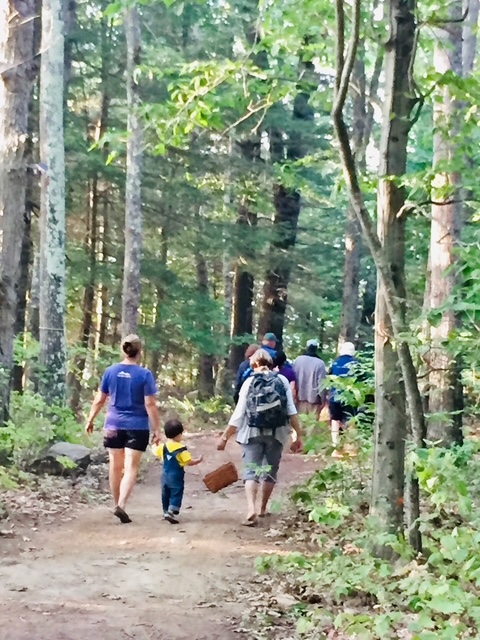
Nature is not a novelty at this stage - it is medicine. Not adrenaline nature. Not bucket-list nature. Quiet, immersive, low-decision nature. The kind that does not ask you to perform enjoyment.
Off-grid retreats sit perfectly in that moment. They do not promise transformation. They offer conditions where it can happen naturally.
We have nineteen years of experience helping guests relax into island life at 1 Big Sustainable Island.
Why Maine, Specifically
Maine has always been good at giving people space - without cutting them off.
Water everywhere. Lakes, rivers, ocean edges. Not ornamental water, but working, living water that shapes the land and slows time.
Seasons that actually change things, not just temperatures. Summer abundance. Fall clarity. Winter stillness. Spring's soft reset.
And perhaps most importantly: remoteness without isolation.
You can be far from noise without being far from help. You can unplug without disappearing. That balance is rare - and increasingly valuable.
Maine does not shout. It waits. And people are starting to notice.
Off-Grid ≠ Uncomfortable (The Myth That's Finally Dying)
For a long time, off-grid was shorthand for sacrifice.
Cold showers. Bare bulbs. Roughing it as a badge of honor.
That is not what today's off-grid guests are looking for.
They want comfort - just not constant convenience.
A hot shower still matters. A good bed still matters. Warmth, safety, and thoughtfulness matter more than ever. What they are opting out of is not comfort - it is over-connection.
The new off-grid experience is not about doing without. It is about doing less, on purpose.
The Rise of Intentional Inconvenience
Here is where the real shift is happening.
People are beginning to crave intentional inconvenience - small, chosen frictions that create space.
Carrying water a short distance. Walking instead of driving. Lighting a fire instead of flipping a switch. Planning dinner because delivery is not an option.
These moments are not obstacles. They are anchors.
They slow the nervous system. They reintroduce cause and effect. They remind people that not everything needs to be instant to be good.
At 1 Big Sustainable Island, this has never been a trend - it is just how island life works. The lake sets the pace. The island asks you to participate, not consume.
That turns out to be exactly what people did not know they were missing.
Why Repeat Guests Seek Places, Not Properties
There is a reason people return to certain retreats again and again - and it is not novelty.
Repeat guests are not chasing amenities. They are returning to a relationship.
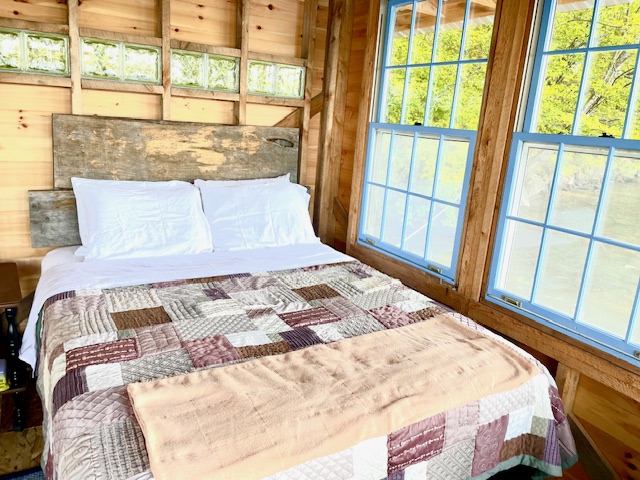
They remember how they felt waking up there. How the light hit the water. How their body slowed down without being told to.
Places carry memory. Properties carry features.
Off-grid retreats that succeed long-term understand this difference. They cultivate a sense of continuity - something familiar enough to trust, but alive enough to feel new each time.
That is why communities form. Why stories get told. Why newsletters like the Island Chronicles exist at all.
Accidentally Early to a Movement
Here is the quiet truth:
The best off-grid retreats did not pivot into this moment. They were already here.
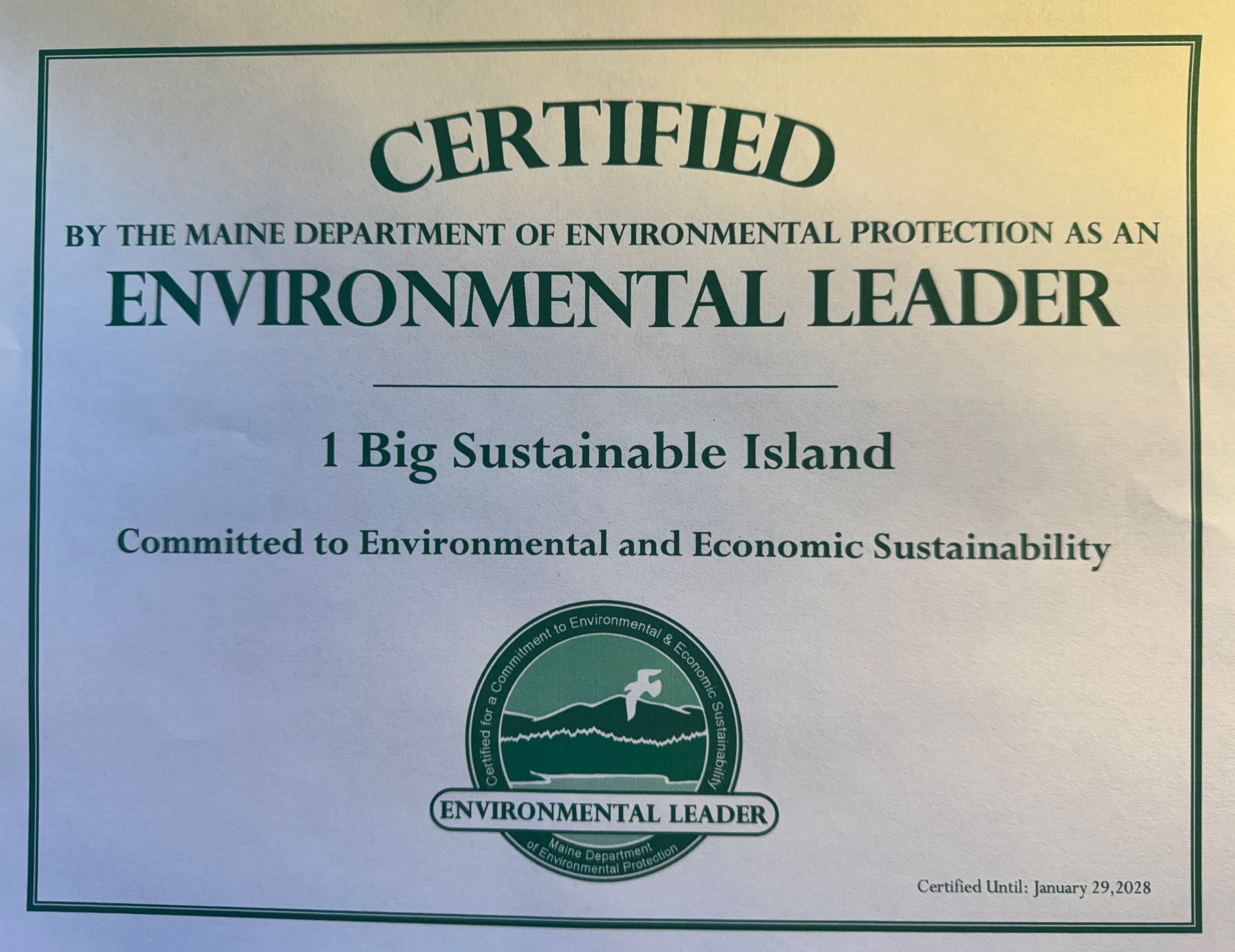
They were built slowly. One at a time over two decades. Thoughtfully. With environmental responsibility baked in rather than bolted on later. We are recognized not for trends, but for stewardship.
At 1 Big Sustainable Island, sustainability was not a marketing angle - it was a requirement. Private island stays were not designed to impress; they were designed to belong.
Now the rest of the world is catching up to something islands have always known: that less noise makes more room for meaning.
What This Trend Is Really About
Off-grid retreats are not winning because they are rare.
They are winning because they feel necessary.
Necessary for rest. Necessary for perspective. Necessary for remembering what a day feels like when it is not fragmented.
Maine happens to be very good at holding that kind of space.
Some places are rushing to meet the moment. Others have been quietly ready for years - waiting for people to arrive tired enough to appreciate it.
No hype required.
Related Guides
On Annabessacook Lake in Monmouth, Maine — near Winthrop.
Ready to plan your overnight island stay?
Bookings go fast in peak season. We'll help you pick the right spot.